

How Technology is Transforming Online Entertainment in 2026: A Look at Digital Trends, Smart Devices, and the Rise of Platforms Like Casino Slottica in the EU Market
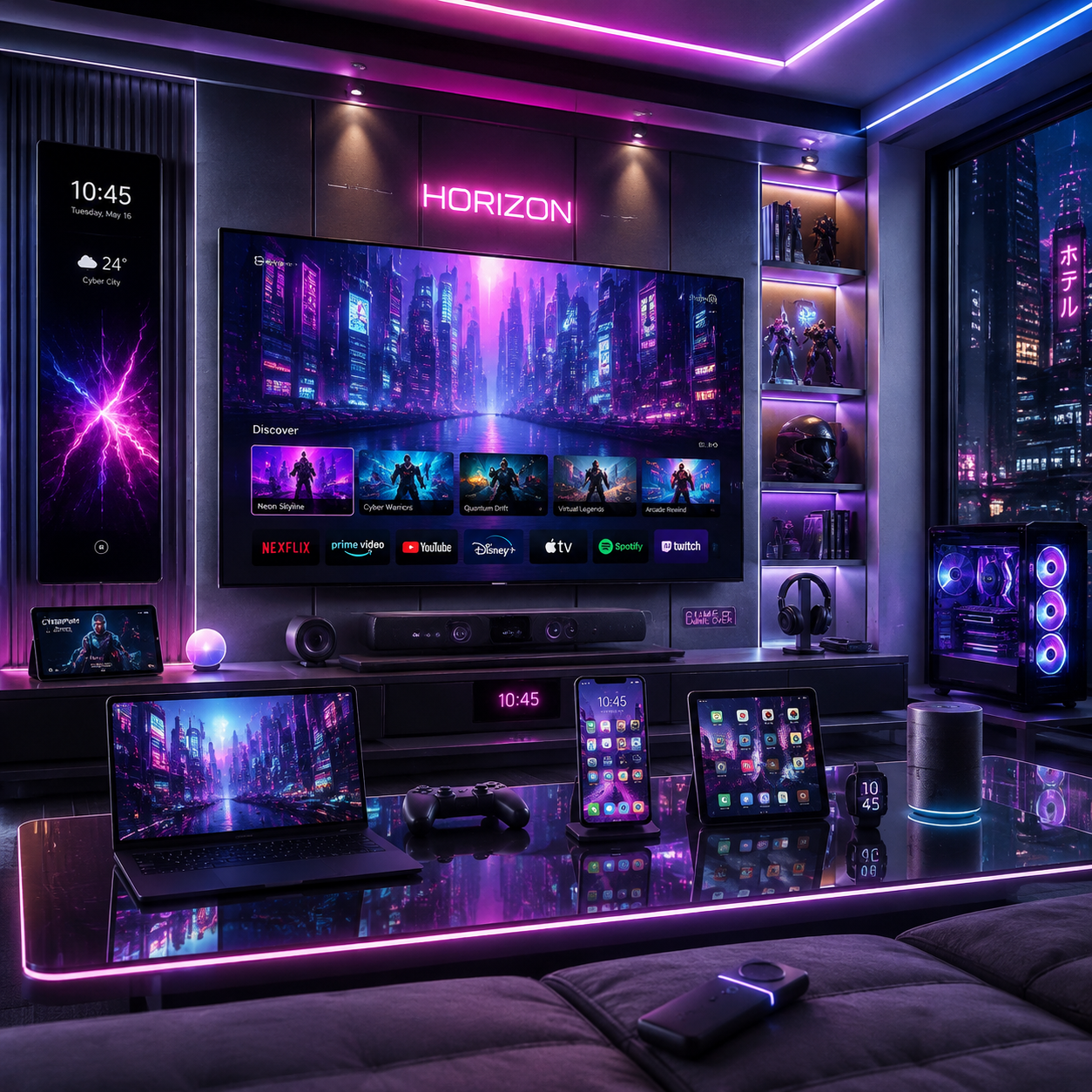
I've spent the better part of the last decade watching how people across Europe spend their downtime, and honestly, 2026 feels like a real turning point. Entertainment used to mean sitting in front of a television or driving to some physical venue. Now it's baked into every device I carry, every app I open, every spare five minutes on a commute. The pace of change has been kind of staggering, if I'm being honest — and it's worth stopping to unpack what's actually driving it.
The Digital Entertainment Revolution in 2026
Across the EU, leisure habits have shifted hard. Streaming services, mobile gaming, interactive platforms — they've replaced most of what used to be passive, scheduled entertainment. People in Berlin, Warsaw, or Lisbon expect content to show up instantly now, tailored to their tastes, ready on whatever screen happens to be nearby.
This isn't a trend anymore. It's just the default. And the infrastructure behind that shift — faster networks, smarter devices — has quietly rebuilt the whole entertainment landscape, mostly without anyone noticing it happening.
Key Technology Trends Shaping Online Entertainment
A handful of technological forces are doing most of the heavy lifting this year. Artificial intelligence, next-gen connectivity, cloud infrastructure, immersive tech — they're all converging in ways that make entertainment feel more responsive, more personal, than it's ever been.
Artificial Intelligence and Personalized Content
AI moved well past simple recommendation engines a while back. Today's algorithms study viewing patterns, gaming behavior, even pacing preferences, to build experiences that adapt in real time.
Whether it's a streaming platform suggesting your next series before you've even finished the current one, or a game quietly adjusting its difficulty to match how you play — personalization isn't a novelty anymore. It's just how things work now.
Cloud Computing and Seamless Access
Cloud infrastructure has quietly become the backbone of modern entertainment. It lets EU users jump from a laptop to a tablet to a smart TV without losing progress or quality — no waiting on downloads, no worrying about storage space.
Everything runs remotely now, which means the device itself matters a lot less than the connection powering it.
Smart Devices as Entertainment Gateways
Smartphones, smart TVs, wearables, connected home devices — they've basically become entertainment control centers at this point. They're not just tools for calls or basic tasks anymore; they're the main gateway most Europeans use to access games, shows, and interactive experiences, day in and day out.
Mobile-First Entertainment Habits
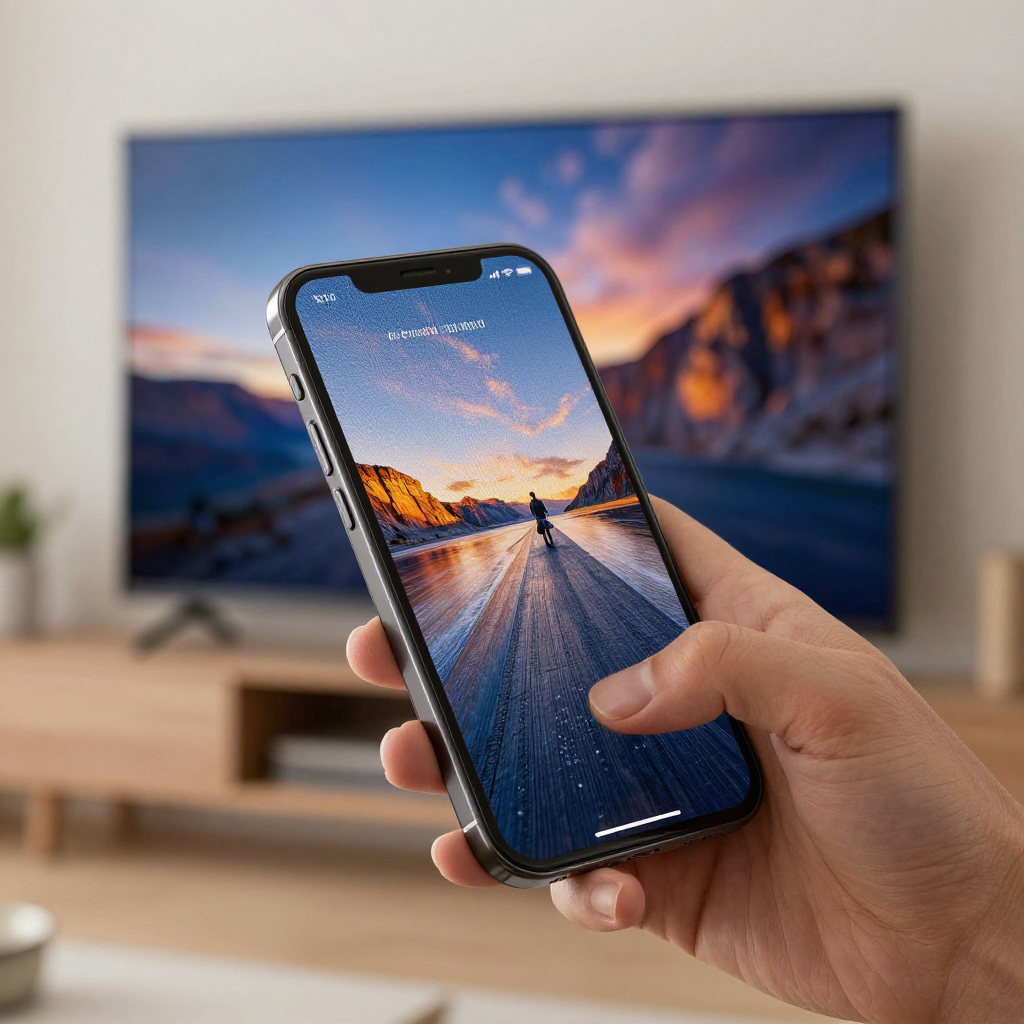
Mobile has quietly overtaken desktop, and even traditional TV, in a lot of EU markets — especially among younger users. Gaming apps, live-streamed events, interactive platforms, they're all built mobile-first these days.
Which means, more often than not, the smartphone screen gets more design attention than the desktop version ever did.
The Rise of Online Gaming and Casino Platforms in the EU
One of the more interesting shifts I've watched has been inside online gaming and casino entertainment specifically. The EU's regulatory environment has actually pushed operators to move faster on tech — not just for entertainment value, but to build real user trust. Platforms are pouring money into real-time analytics, adaptive interfaces, mobile-optimized experiences, just to keep up with what consumers expect now.
I've spent time reviewing how different operators balance innovation against compliance, and casino slottica stands out as a solid example of a platform adapting to these tech-driven demands. It fits a broader pattern I keep seeing across the EU market, where digital-first design and regulatory awareness tend to go hand in hand. If you're curious how these platforms evolve technologically, there are detailed reviews worth digging into.
Security, Fairness, and Regulatory Compliance
Trust is still the foundation of any online gaming experience — that hasn't changed. EU-licensed platforms increasingly rely on encryption protocols, blockchain-based verification systems, and certified random number generators (RNG) to prove fairness.
These aren't just technical checkboxes. They're what let players actually feel confident that outcomes are random and their data's protected under strict European standards.
Virtual Reality and Immersive Entertainment Experiences
VR and AR adoption has picked up noticeably this year, moving well past niche gaming circles into broader entertainment territory. EU audiences are getting more lifelike, interactive environments now — exploring virtual concert venues, or messing with augmented reality overlays during live sports broadcasts.
It's still early days for mass adoption, to be fair. But the tech's maturing fast enough that it's stopped being some fringe experiment.
Challenges and Considerations for EU Consumers
None of this progress comes free of friction, though. Data privacy stays a central concern, especially under GDPR frameworks that require platforms to be upfront about how personal information gets used.
Responsible gaming practices are getting more scrutiny too, as operators try to balance engagement-driven design against consumer protection obligations. Plus, there's still a real digital divide between EU member states — some regions have blazing-fast infrastructure, others lag behind, which creates pretty uneven access to these newer entertainment experiences.
Balancing Innovation with Consumer Protection
Regulators and tech companies are working together more than against each other these days. That collaborative approach has produced frameworks that let innovation keep moving while safeguards stay in place — things like self-exclusion tools, spending limits, and mandatory age verification systems that are now standard across compliant platforms.
The Future Outlook for Digital Entertainment in the EU
Looking ahead, I'd bet the next wave of innovation centers around AI-driven metaverse experiences and smarter wearable devices that blend entertainment into daily life without much friction. 6G connectivity, once it actually rolls out broadly, will probably kill off the latency issues that still occasionally mess with cloud gaming or live streaming.
The direction's pretty clear, though: entertainment keeps getting more integrated, more personalized, less tied to any single device.
Conclusion
Technology has genuinely reshaped how people across the EU spend their free time, and 2026 made that impossible to ignore anymore. From AI personalization to immersive VR experiences and the fast evolution of online gaming platforms, every layer of digital entertainment is getting reimagined right now.
Platforms that embrace this shift thoughtfully — balancing innovation with real consumer protection — are the ones setting the tone for what's next. The pace isn't slowing down anytime soon, and honestly? That's exactly what makes this space worth watching.

The sole responsibility for the content of this [webpage, publication etc.] lives with the authors. It does not necessarily reflect the opinion of the European Communities. The European Commission is not responsible for any use that may be made of the information contained therein. Read our privacy policy
| Project partners | |
| C.E.T.A. | INIPA-COLDIRETTI |
| CARTIF | ADABE |
| REACM-ANATOLIKI | HALASTRA |
Code & Design by infoFACTORY
